Hand physiotherapy
Trigger Finger: symptoms, causes, stages and treatment
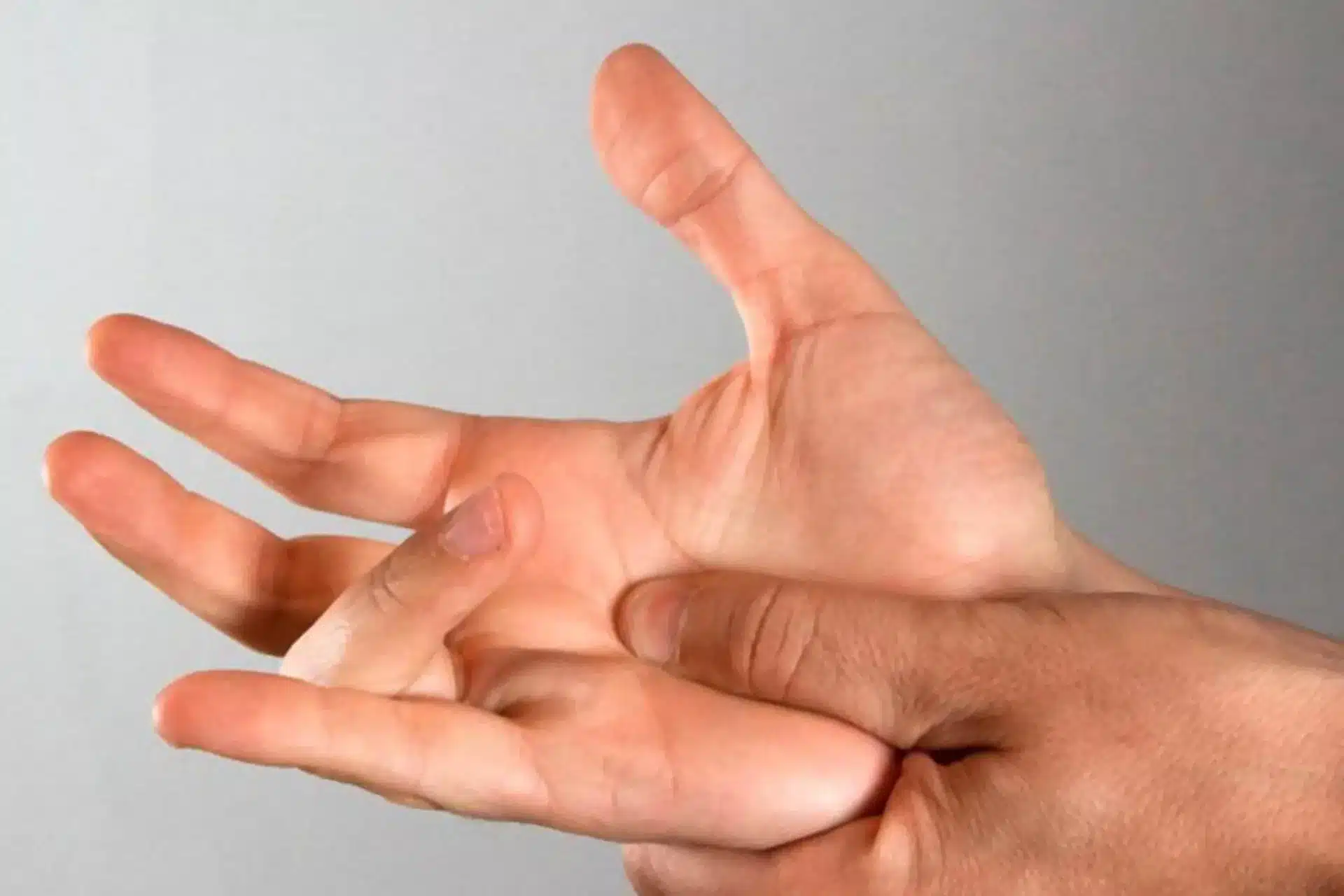
You may feel pain at the palmar base of the finger together with an unusual click, and notice abnormal movement during daily activities, especially during effort or repetitive hand tasks. What could it be?
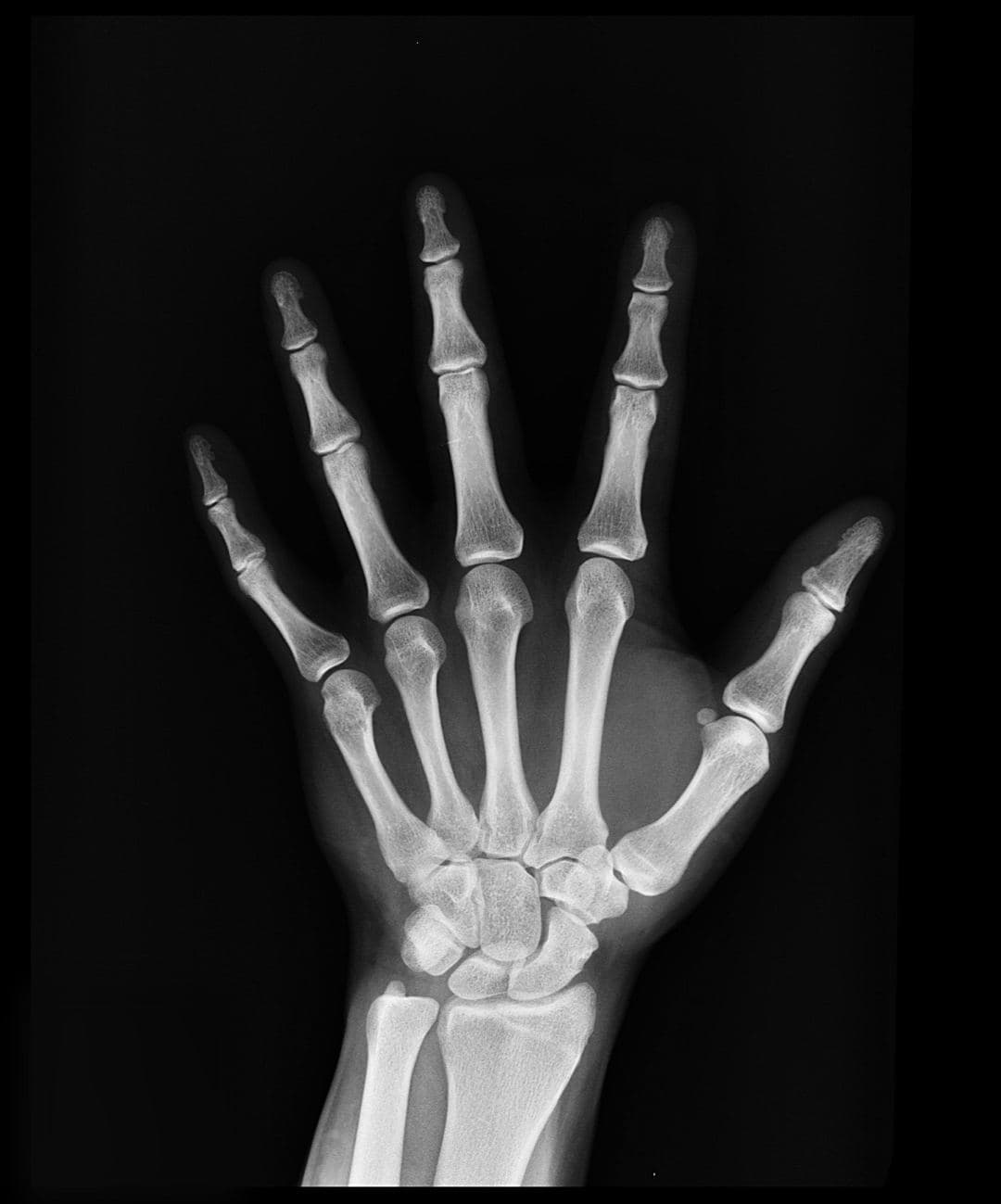
Trigger finger is the condition in which the deep and superficial flexor tendons of the finger struggle to glide inside their sheath, due to inflammation of the tendon and/or of the pulley under which it runs. It is characterised by joint locking, palpable nodules and thickening of the flexor tendons and their sheath.
What are the main causes?
The causes are multifactorial:
- inflammation of the tendons, in particular the synovial membrane, due to microtrauma or repeated strain (excessive phone use, gardening, manual work)
- predisposition linked to conditions such as diabetes, rheumatoid arthritis, hypothyroidism, carpal tunnel syndrome, and especially in women over 40
- hormonal therapies or chemotherapy
Trigger finger occurs most often in the 3rd and 4th finger. It can progress through 4 stages according to the Green Classification, or it may resolve spontaneously.
How do I understand which "inflammatory stage" I am in?
Stage 1 – Pre-triggering: pain and swelling at the base of the finger; movement is free but painful, sometimes with the feeling of "a small ball" on the palm at the base of the finger.
Stage 2 – Active triggering: a painful click every time you bend or straighten the finger.
Stage 3 – Passive triggering: you need to help with the other hand to straighten the finger after it locks.
Stage 4 – Fixed flexion: the finger is completely locked in flexion and cannot be straightened, even with the other hand.
Can it heal on its own?
In some cases, at the end of hormonal therapy or chemotherapy, it can resolve spontaneously. In all other cases, where repetitive activities and work tasks are the cause, modifying them and starting a specialist rehabilitation path can lead to resolution. However, if symptoms persist or worsen, surgical treatment is needed and is 100% resolving.
What does conservative treatment involve?
There is currently no scientific consensus on specialist rehabilitation management, but the most documented techniques include:
- patient education on managing and understanding the condition
- treatment of pain and swelling
- rest and reduction of repetitive manual activities
- night splints to reduce mechanical pressure on the A1 pulley for 6–10 weeks
- non-steroidal anti-inflammatory drugs (NSAIDs) to relieve pain and swelling
- stretching exercises for the flexors of the involved fingers
- manual therapy to release the wrist and finger flexor muscles
Are there treatments halfway between physiotherapy and surgery?
1. Ultrasound-guided corticosteroid injections (CSI) — used if symptoms persist after 4–6 weeks of conservative therapy; effective in reducing edema and restoring tendon gliding; possible complications include subcutaneous atrophy and skin depigmentation, rarely tendon ruptures. Ultrasound guidance allows precise injection into the sheath or around the pulley, reducing the risk of intratendinous injection.
2. Ultrasound-guided pulley release — a percutaneous procedure with dedicated needles or blades; very high success rates (94%–97%); complications are rare and minor (hematomas, transient pain).
And surgery, diagnosis, differential diagnosis and which doctor to see?
To answer these last questions, you can book a specialist physiotherapy visit with me, so I can explain in more depth and refer you to the most suitable doctor near you.
References
Tai-Hua Yang, Hsin-Chen Chen. Clinical and pathological correlates of severity classifications in trigger fingers. BioMedical Engineering OnLine 2014, 13:100.
Donati V., Ricci V., Boccolari P. et al. From diagnosis to rehabilitation of trigger finger: a narrative review. BMC Musculoskelet Disord 25, 1061 (2024).
Patel M.R., Bassini L. Trigger fingers and thumb: when to splint, inject, or operate. J Hand Surg. 1992;17:110–13.