Hand physiotherapy
Recovery times after an upper limb fracture: wrist, hand, elbow or shoulder?

If you're here, it's because a bad injury has asked you to stop and change your habits, at least for a while. Whether it is a displaced or undisplaced fracture, multi-fragmentary or simpler, managed conservatively, it is asking you to stop. While waiting for the radiology reports, you are probably wondering about the recovery times after a wrist fracture.
As a physiotherapist graduated and specialised in the rehabilitation of the wrist, hand and upper limb, I'll try to answer you, reminding you that many variables can influence what you are about to read.
In theory, I'll explain the timing that will shape your rehabilitation. You can book a specialist visit with me for more information about your specific case and, if you wish, start a physiotherapy path with me in Rimini and Pesaro.
Understanding the traumatic event
After an accidental fall or an impact trauma, the energy released on impact may have been greater than your body could withstand at that moment, for both metabolic reasons and physical condition or position.
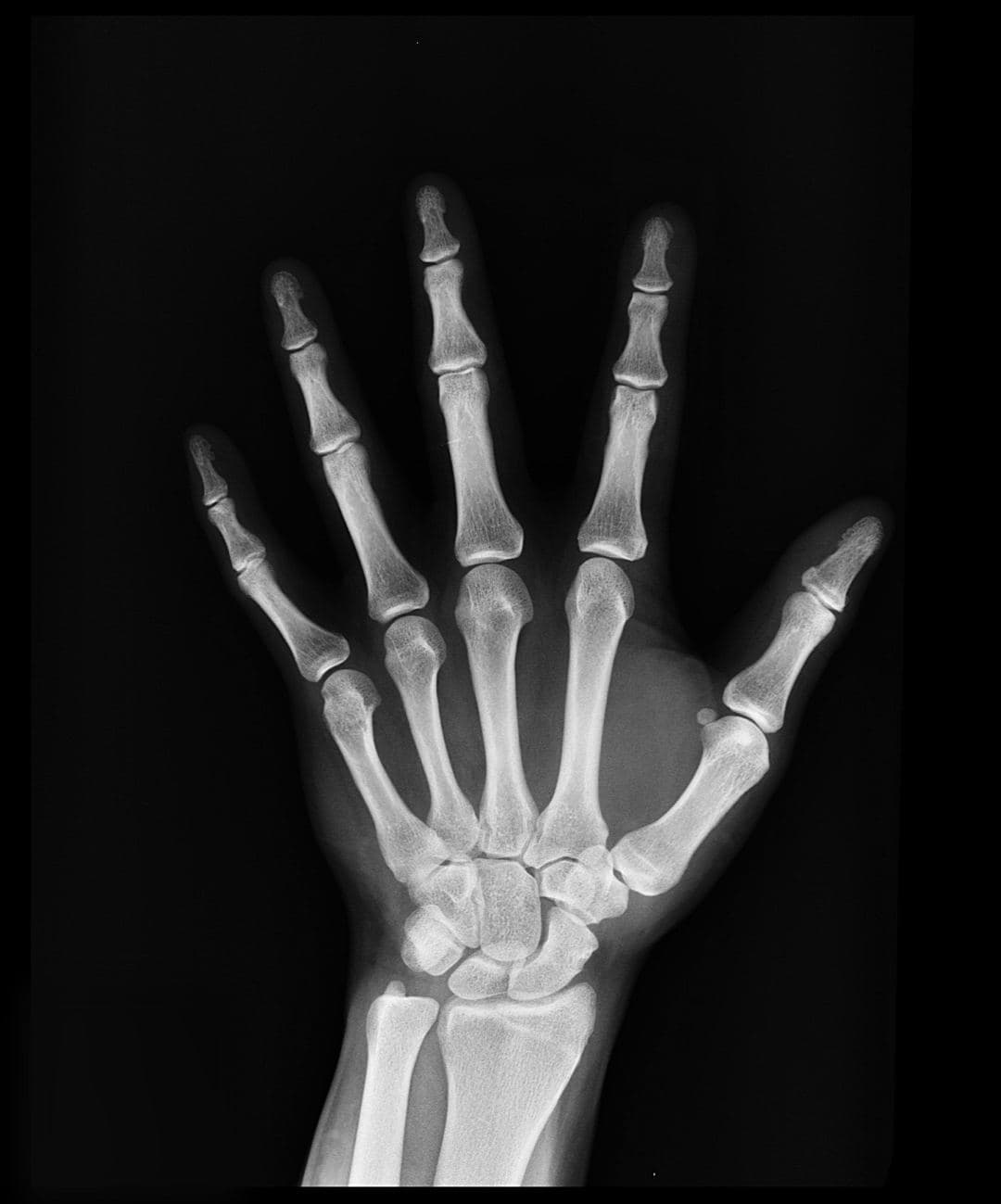
The traumatic event is essential to investigate: if a fracture of the wrist/hand bones (scaphoid, triquetrum, pisiform, trapezium, phalanges, metacarpals), elbow (radius, ulna) or shoulder (clavicle, scapula, humerus) occurs with a low-impact trauma, any altered metabolic conditions must be assessed.
Osteoporosis is among the most common conditions that can reduce bone quality, making it more fragile and prone to fracture. Any metabolic conditions may influence the timing described below.
Phase 1 – Immobilisation
The first step in case of a fracture treated with a cast or splint. During this phase, the affected area is immobilised to allow the rest and regeneration of bones, ligaments, tendons and muscles.
Materials used: cast, plaster slab, commercial splints, custom-made splints.
Wrist support should not cause pain: it should relieve it within the first 24 hours. Any changes in sensation must be reported immediately.
Duration: 21–45 days.
Phase 2 – Bone consolidation
This phase partly overlaps with immobilisation. The bones begin to produce the bone callus, needed for fusion and recovery of the anatomical relationships.
Duration: 21–45 days.
Phase 3 – Ossification
The cartilaginous callus becomes "hard" and replaces the fractured part. In this period it is essential to work on mobility through physiotherapy.
Duration: 30–60 days.
Phase 4 – Post-ossification loading
The doctor confirms full healing and joint mobility. From here, loading restarts gradually and in a controlled way. This phase coincides with the recovery of strength through progressive-loading therapeutic exercises.
Duration: 30–60 days.
The data reported come from scientific articles you can consult in the links below.