Hand physiotherapy
Carpal Tunnel Syndrome: Symptoms, Causes, Diagnosis, Treatment and Recovery
What is carpal tunnel syndrome?
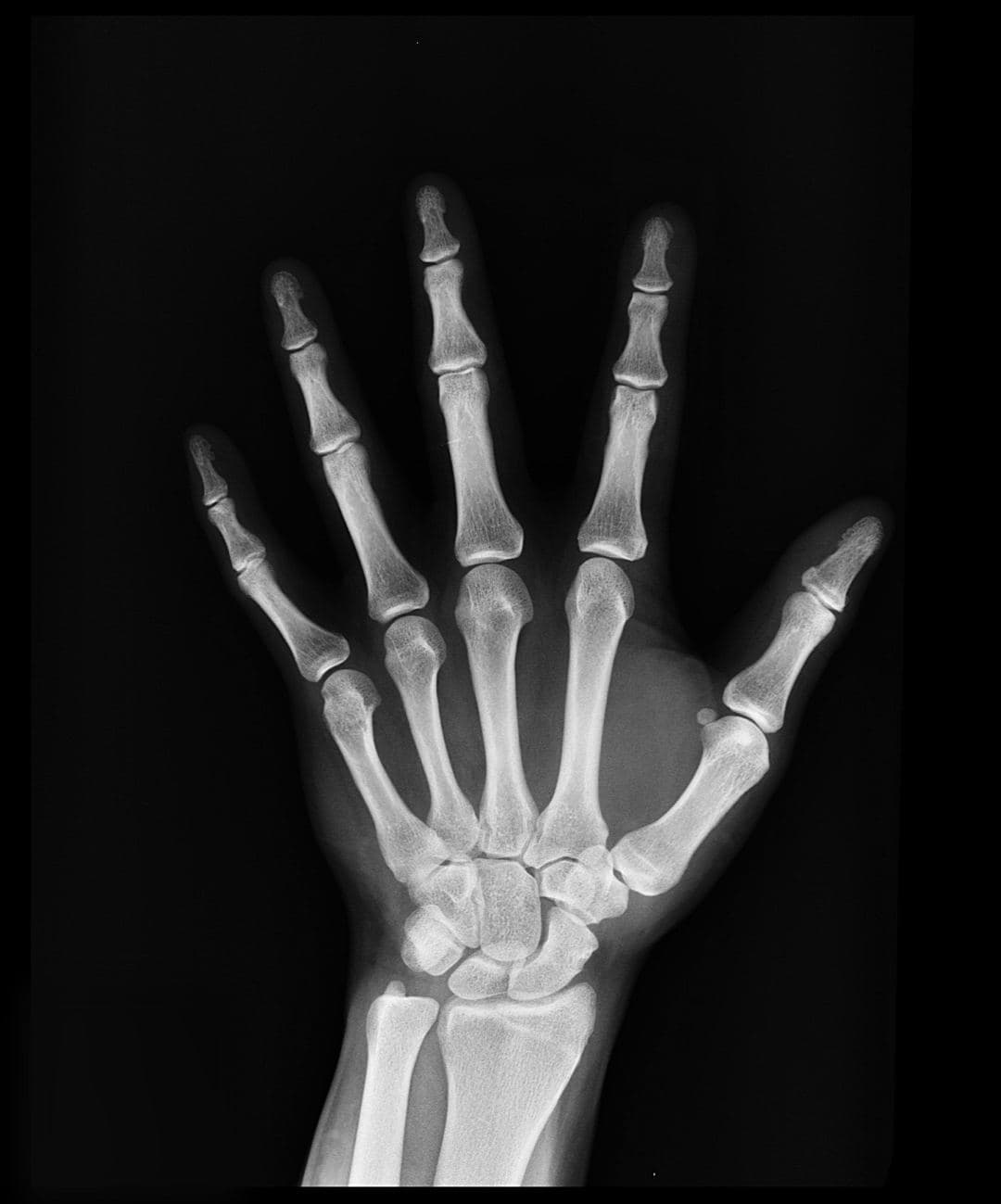
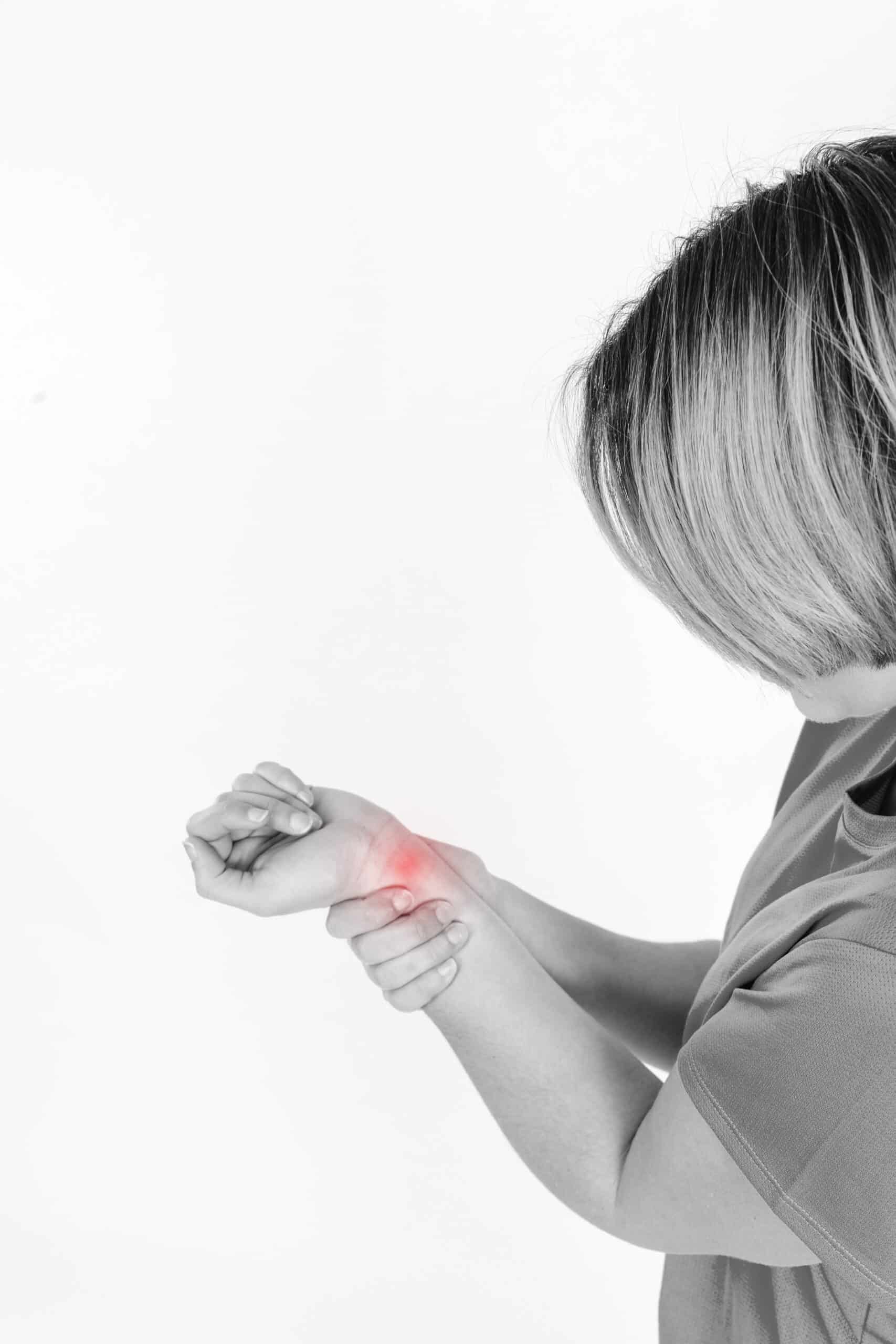
Carpal tunnel syndrome is a very common hand disorder. It occurs when the median nerve, which runs from the arm to the hand through a narrow passage called the carpal tunnel, is compressed or "squeezed". This small channel is formed by the wrist bones (the floor) and the transverse carpal ligament (the roof). When the internal space narrows or the tendons become irritated, the nerve can no longer work properly.
What are the symptoms?
- tingling and numbness in the thumb, index, middle and half of the ring finger
- pain in the palm or hand, especially at night
- the need to shake the hand to relieve discomfort
- loss of grip strength
- in advanced cases, loss of muscle mass at the base of the thumb
Why does carpal tunnel syndrome appear?
- repetitive wrist and hand movements
- intense manual work
- poor postures held for a long time
- fluid retention (e.g. pregnancy)
- diabetes, hypothyroidism, obesity
- genetic factors or wrist trauma
Could it be something else?
Yes. Other conditions can cause similar symptoms:
- nerve compressions at the elbow or neck
- musculoskeletal disorders
- circulatory problems
- neuropathies such as the diabetic one
How is it diagnosed?
Diagnosis is based on:
- examination and clinical tests
- electromyography or ultrasound in suspected cases
How is carpal tunnel syndrome treated?
Conservative treatment
- night splint to keep the wrist in a neutral position
- ergonomic changes in daily activities
- exercises to improve nerve and tendon gliding
- manual therapy
- corticosteroid injections if symptoms persist
When to consider surgery?
- symptoms are severe
- there is loss of strength or muscle atrophy
- conservative treatments bring no improvement
Surgery consists of opening the transverse carpal ligament to free space for the nerve. It can be performed with an open, endoscopic or ultrasound-guided technique.
Recovery times
- improvement with physiotherapy: 4–6 weeks
- improvement after injection: 2–6 weeks
- recovery after surgery: 3–6 months
💡 If you feel pain, tingling or weakness in your hand, do not ignore the symptoms: an early diagnosis prevents future worsening.
References
- American Academy of Orthopaedic Surgeons (AAOS). Management of Carpal Tunnel Syndrome: Evidence-Based Clinical Practice Guideline. 2024.
- Chaudhary R., Khanna J., Bansal S., Bansal N. Current Insights Into Carpal Tunnel Syndrome. Current Drug Targets. 2024;25(4):221–240.
- Currie K.B., Tadisina K.K., Mackinnon S.E. Common Hand Conditions: A Review. JAMA. 2022;327(24):2434–2445.
- Padua L., Cuccagna C., Giovannini S., et al. Carpal Tunnel Syndrome: Updated Evidence and New Questions. Lancet Neurology. 2023;22(3):255–267.
- Wipperman J., Goerl K. Carpal Tunnel Syndrome: Diagnosis and Management. Am Fam Physician. 2016;94(12):993–999.