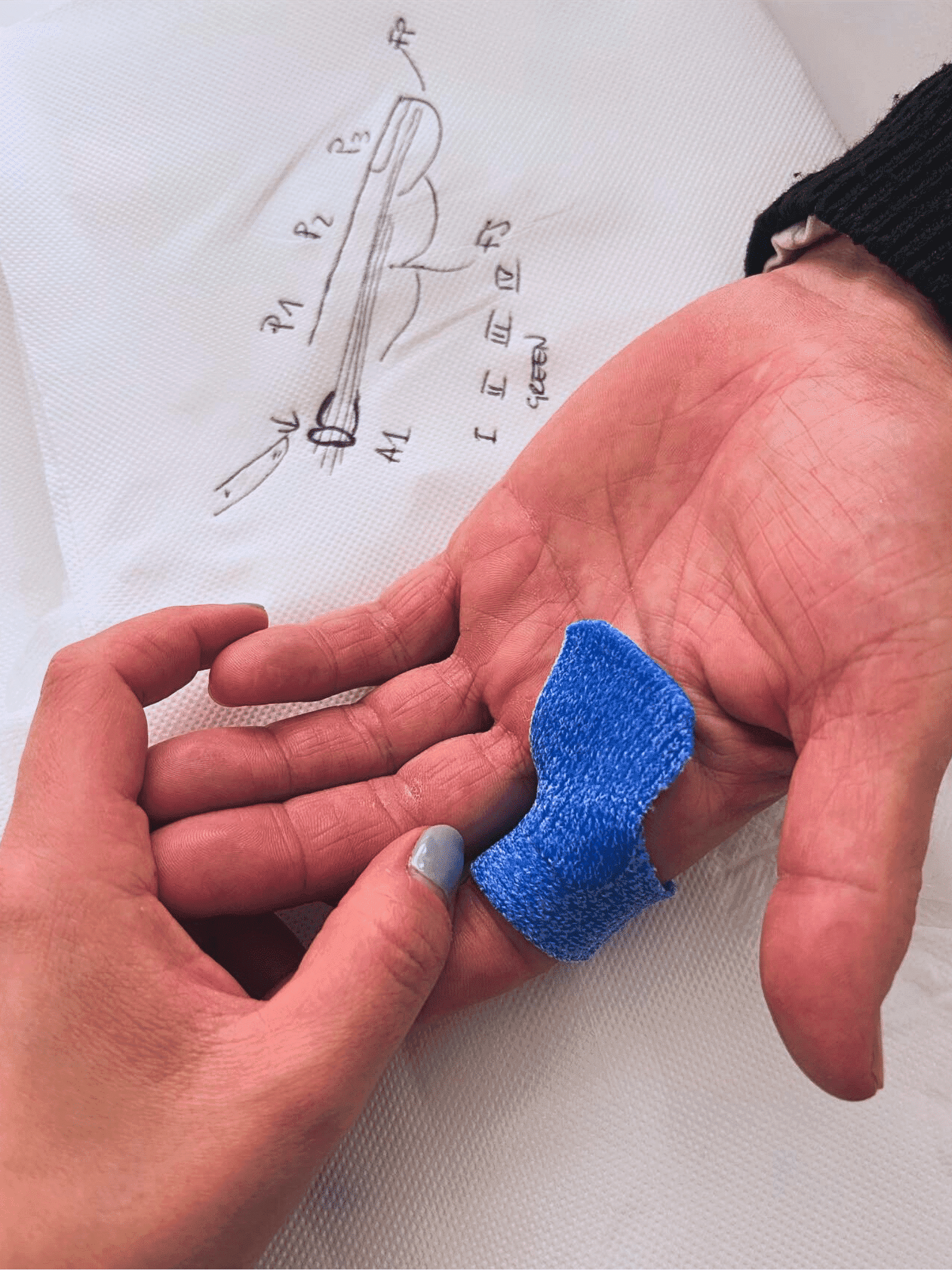
I am a self-employed physiotherapist and I work by direct access, which means you can come to me without a referral for upper-limb disorders related to the musculoskeletal, rheumatological or peripheral nervous system.
I call it a specialist first physiotherapy visit because my training includes two postgraduate master’s programmes that let me specialise in manual-therapy approaches in the orthopaedic-sports and rheumatological fields, with particular focus on the upper limb.
The specialist first visit is the starting point to understand your problem accurately, assess the clinical picture and define the rehabilitation path best suited to your needs. During the initial assessment I take a detailed history, apply clinical-reasoning principles and carry out a functional evaluation through specific tests and techniques. This lets me reach a functional diagnosis and build a fully personalised path.
I constantly and thoroughly update my clinical practice on the most recent scientific evidence, and I work with other healthcare professionals — such as your family doctor and specialists like orthopaedists, neurologists and rheumatologists — to give you complete support. When needed, I carry out a screening for referral, to point you towards the most suitable specialist or suggest further diagnostic tests, such as X-rays, magnetic resonance imaging (MRI) and electromyography.
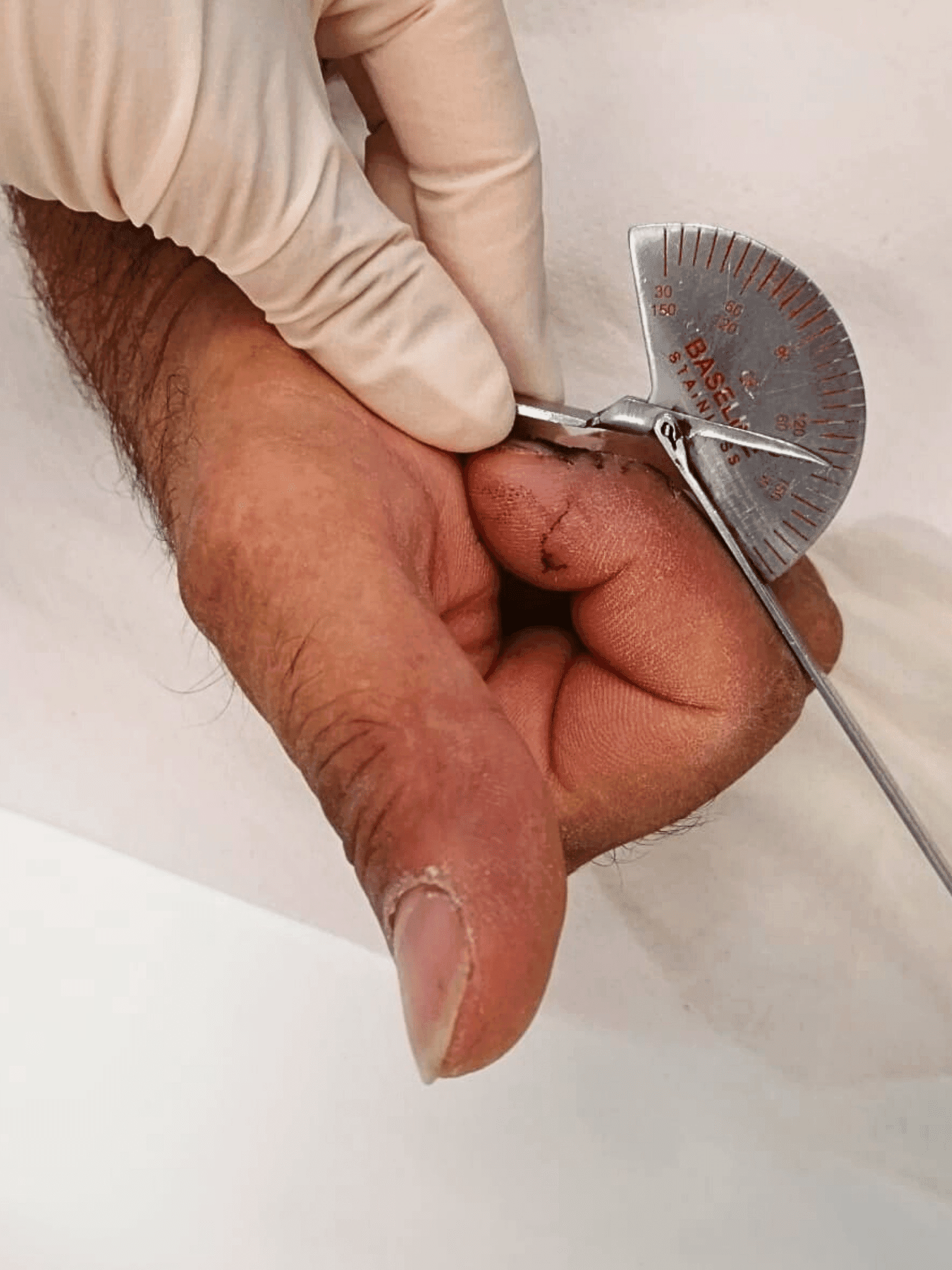
When a specialist consultation can help
A consultation with a physiotherapist specialised in the hand and upper limb can be useful in several situations, for example:
- After surgery to the shoulder, elbow, wrist or hand, even if physiotherapy was not prescribed.
- When you have been advised to move the limb on your own, but over the following days discomfort, stiffness or pain appear that you cannot manage alone.
- If you cannot regain normal function and want to understand which exercises or habits to adopt to recover at your best.
- If physiotherapy has already been prescribed, but you would like to see a professional who is experienced and specialised in these disorders.
Conditions treated most often
A specialist assessment may be indicated in the presence of:
Pain & functional disorders
- stiffness and pain in the shoulder, elbow, wrist and hand
- carpal tunnel syndrome
- trigger finger
- De Quervain’s syndrome
- muscle injuries
- benign cysts of the hand and wrist
- benign soft-tissue growths of the hand and wrist
Trauma, fractures & post-surgical outcomes
- the aftermath of a sports injury or road accident
- the aftermath of surgery
- cuts involving tendons, nerves or ligaments
- dislocations of small and large joints of the upper limb
- compound or displaced phalanx fractures
- carpal bone fractures
- fractures of the humerus, radius and ulna
My approach
There is no need to wait until you have had diagnostic tests before your first physiotherapy visit. The initial assessment is often the first step to truly understand where the problem comes from and how to address it most effectively. During the visit I can help you understand whether further diagnostic tests are useful and, if necessary, which ones to pursue, so as to point you towards the most suitable path or specialist.
In this way the first visit is not just an assessment, but a real moment of clinical guidance, useful for setting up a targeted, safe rehabilitation path built around your needs.
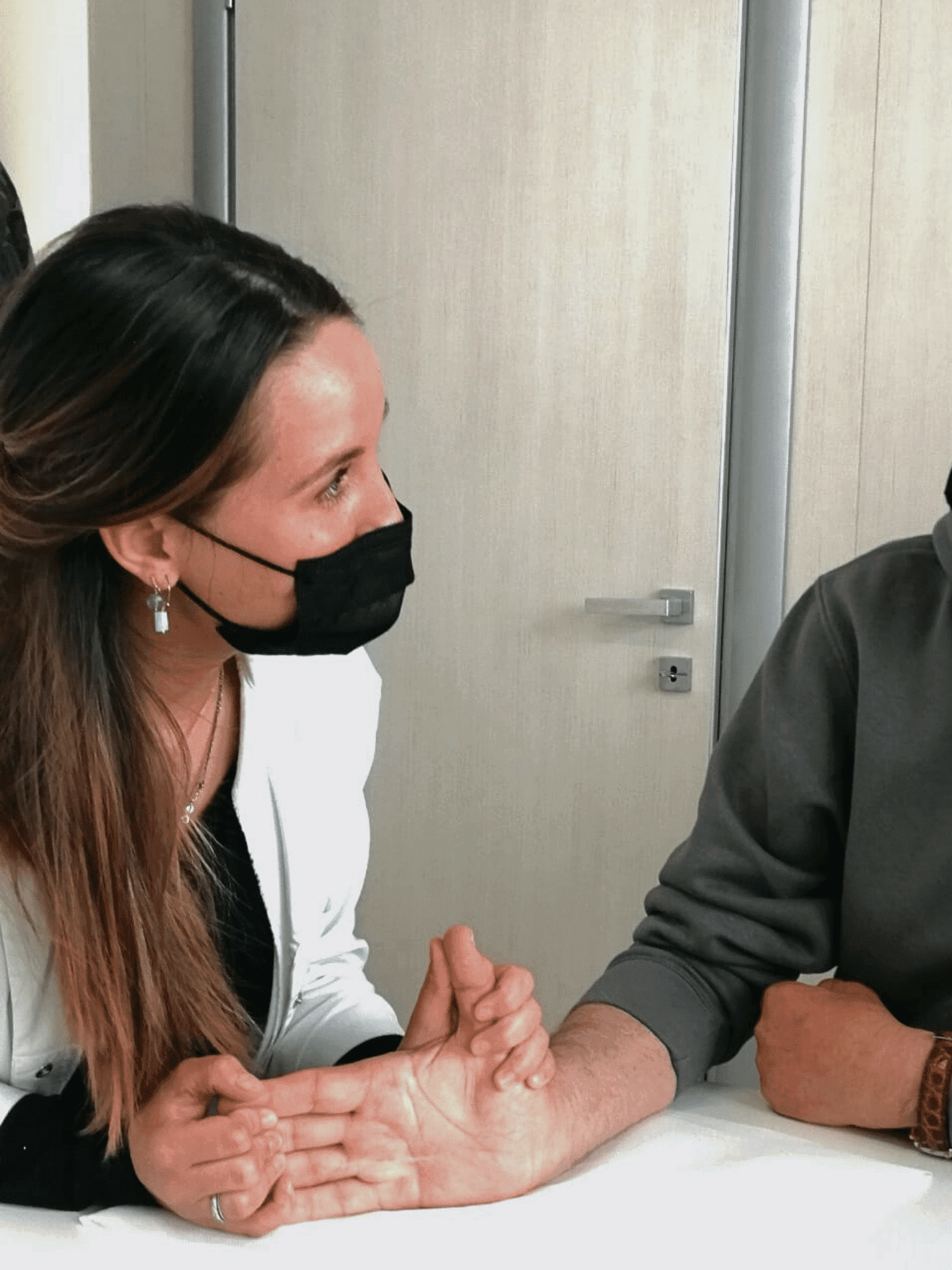
In the studio
Other services

Specialist wrist & hand physiotherapy
Manual therapy, custom splints and specific exercises, in dialogue with the wrist and hand specialist.
Learn more
Specialist shoulder & elbow physiotherapy
Shoulder and elbow: the pivots that bring hand and wrist where you want to act. A dynamic, up-to-date approach.
Learn more
Specialist cervical physiotherapy
Neck pain, dizziness, cervicogenic headache, whiplash: a path dedicated to the cervical spine.
Learn more