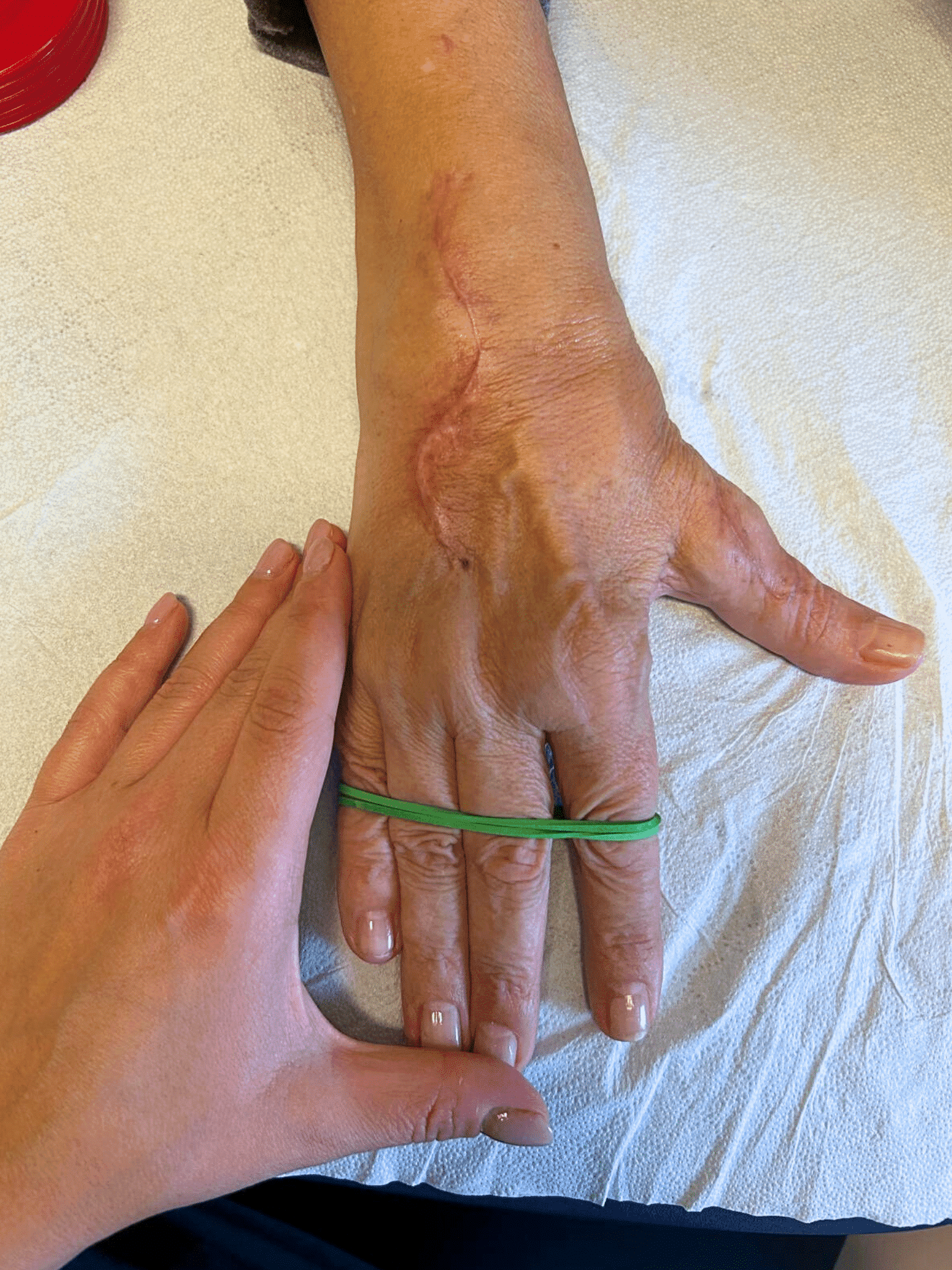
After trauma or surgery it is important to start a personalised physiotherapy path promptly, to support functional recovery as effectively as possible. After an injury, an assessment with the physiotherapist helps define the most suitable rehabilitation path to regain mobility, strength and independence safely.
Even after surgery, physiotherapy is essential to feel well again and gradually resume everyday activities. The physiotherapist indicates what to do and what to avoid and, together with the referring physician, sets the recovery timing, guiding every phase carefully and gradually.
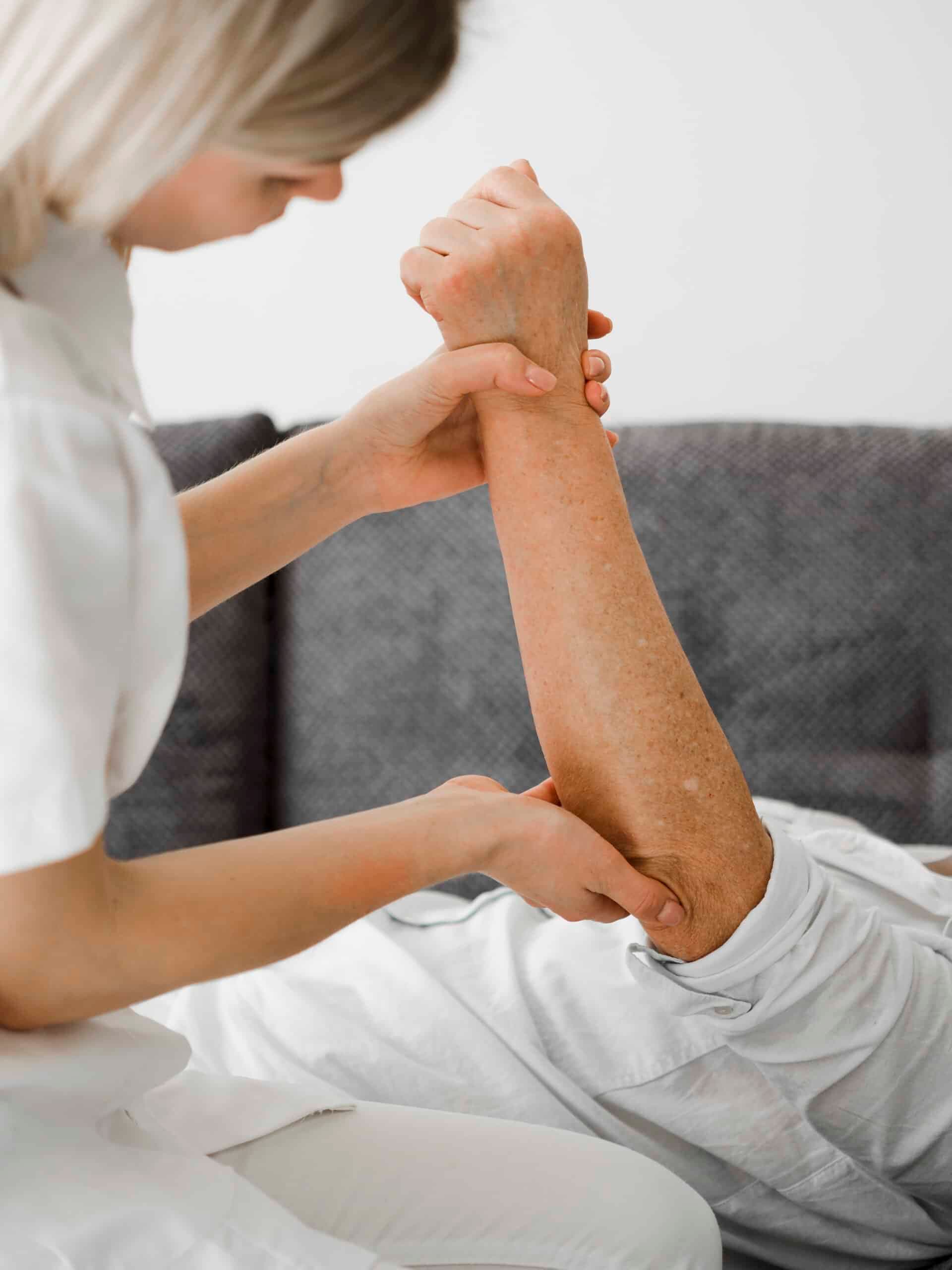
This approach makes it possible to:
- support correct movement of the operated joint
- reduce the risk of altered postures and muscle compensations
- prevent unnecessary or inappropriate movements
- improve pain and mobility right from the start
- support functional recovery step by step
Scar adhesions and functional recovery
After surgery or trauma, a scar should not be seen merely as an aesthetic result, but as a tissue that can affect the mobility and function of the area involved. Over time the scar becomes less elastic and creates adhesions between tissues, contributing to pain, stiffness, limited movement and functional compensations.
To understand this process better, it helps to think of the scar as a natural response of the body: after an injury, the damaged tissue does not return identical to before, but is replaced by repair tissue that closes, protects and stabilises the area. The scar is therefore useful, but if it is not managed properly it can become less mobile and limit movement.
Why the area matters
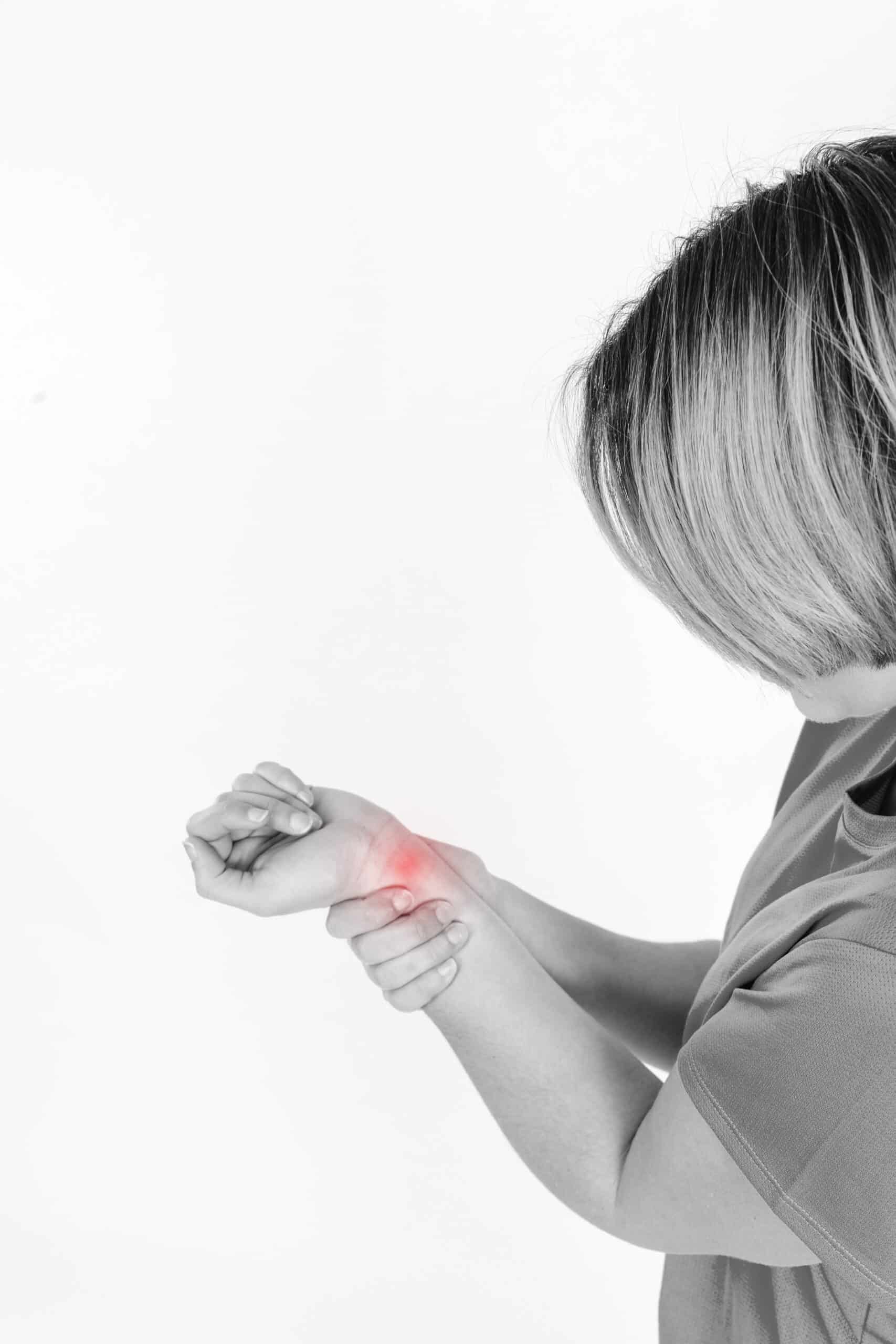
The upper limb does not have the same structure in all of its segments. The shoulder is a complex region made up of the clavicle, scapula and humerus. The elbow is made up of the humerus, radius and ulna. The wrist and hand, instead, have an extraordinary anatomical complexity, with numerous bones, tendons and muscles organised to ensure precision, coordination and fine movements.
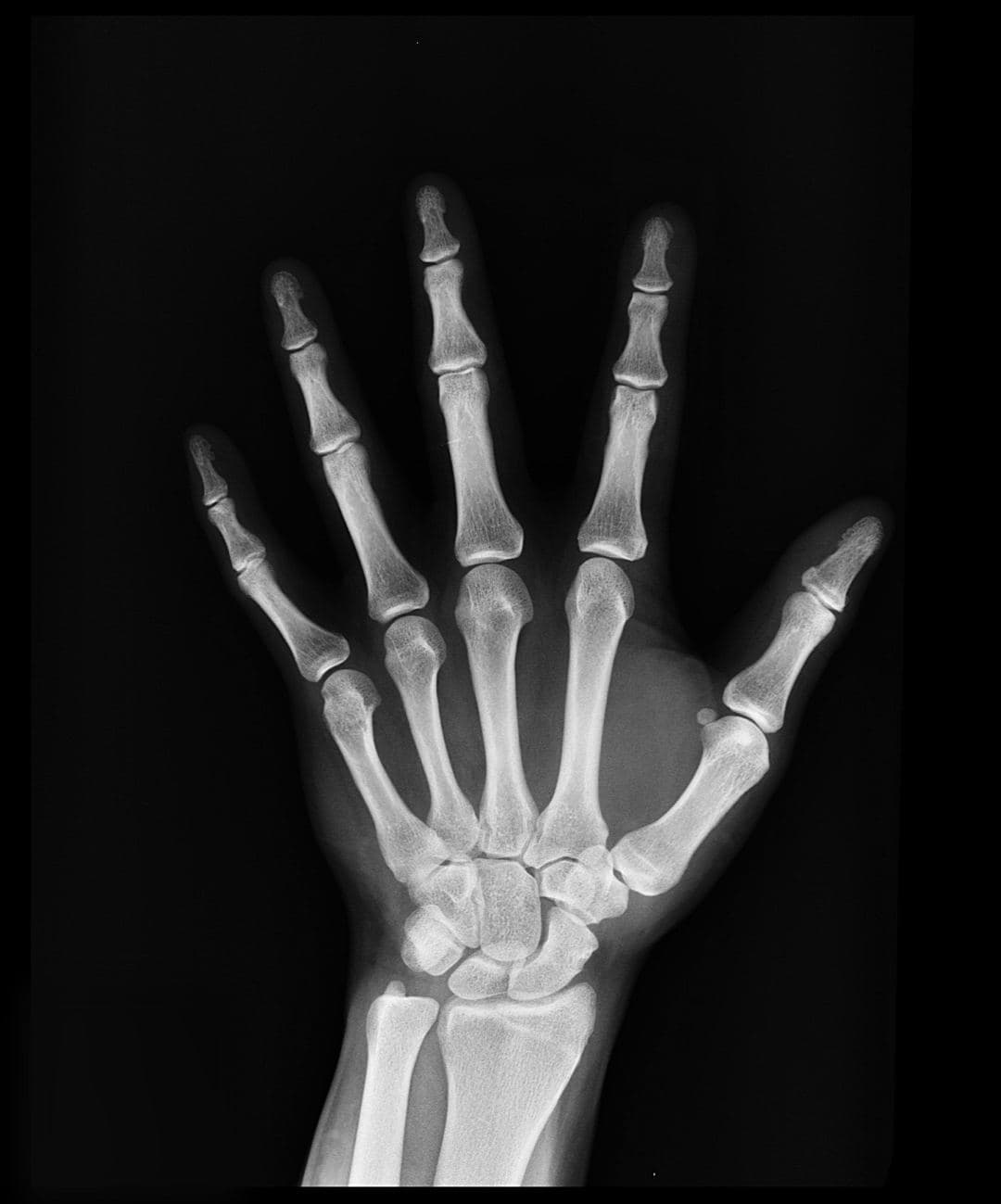
- Bones of the shoulder
- Clavicle · Scapula · Humerus
- Bones of the elbow
- Humerus · Radius · Ulna
- Bones of the wrist
- Scaphoid · Lunate · Triquetrum · Pisiform · Trapezium · Trapezoid · Capitate · Hamate
- Bones of the hand
- Metacarpals · Proximal phalanges · Middle phalanges · Distal phalanges
This anatomical complexity makes the wrist and hand essential for a great many everyday activities, such as self-care, work, hobbies, fine manual skills and expressive and social activities.
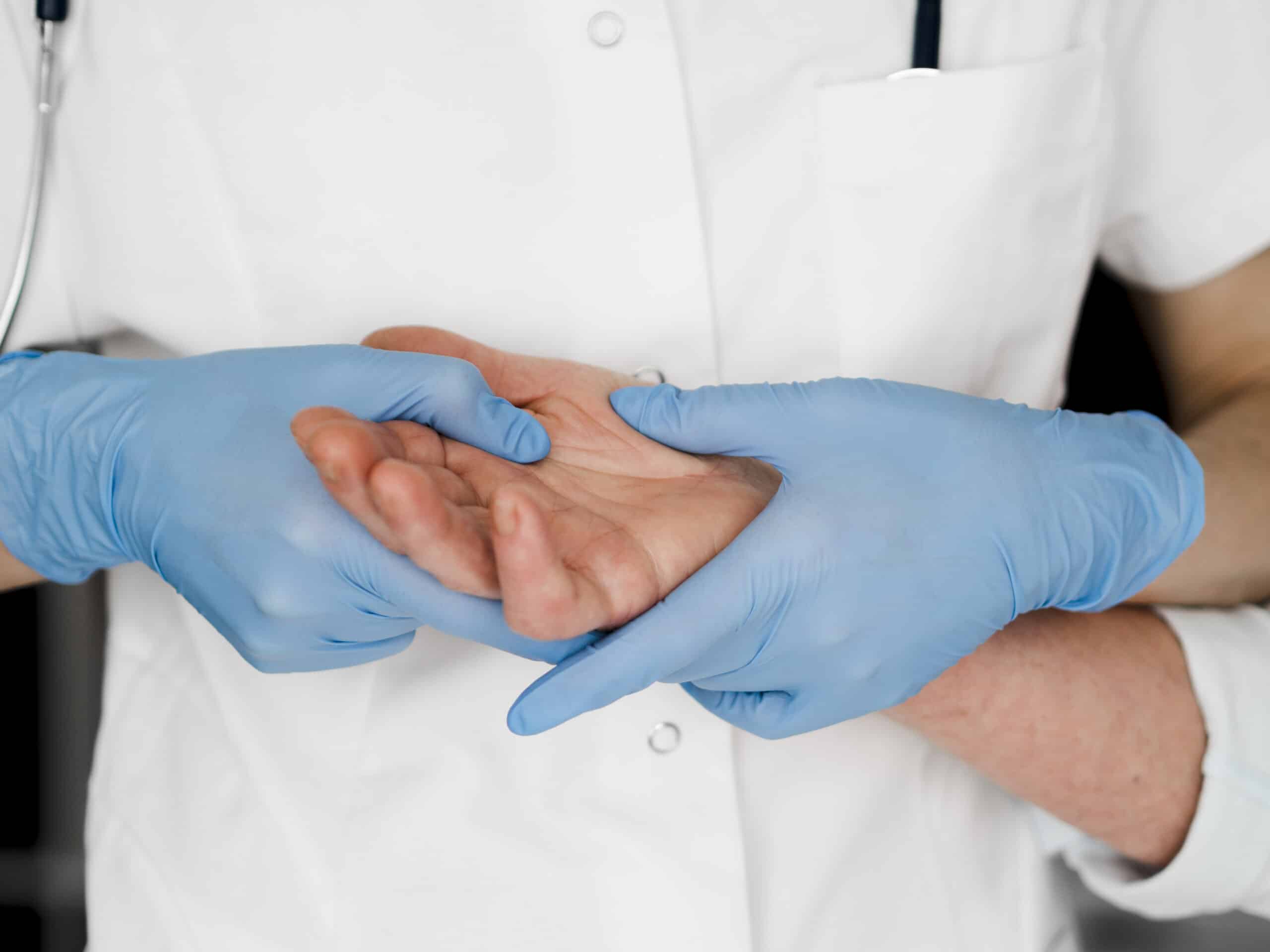
Managing scar adhesions of the upper limb requires particular care, especially at the shoulder, elbow, wrist and hand. The further you move from the shoulder and involve regions such as the elbow, wrist and hand, the more important it becomes to treat scar adhesions early and precisely. In these segments the anatomical complexity and the need for fine, coordinated movements make a specific rehabilitation approach essential, to limit stiffness, pain and loss of function.
For this reason, an early physiotherapy assessment is essential: it helps understand when to start treatment, which techniques to use and how to accompany recovery without interfering with the healing processes. Acting at the right time helps promote tissue mobility and reduces the risk that the scar becomes a limit to recovery.
When the trauma or surgery involves the more distal regions of the upper limb, such as the elbow, wrist and hand, scar treatment must be even more precise and timely. In these segments the structures overlap and integrate to ensure fine, coordinated movements that are indispensable in everyday life. Even a minimal limitation can affect self-care, work activities, hobbies, fine manual skills and expressive and daily activities.
After a careful functional assessment, I will guide you to the most effective rehabilitation path or refer you to the most suitable professional for your case.
In the studio
Other services

First specialist physiotherapy visit
Direct access, a thorough history and a functional diagnosis to build a tailored path.
Learn more
Specialist wrist & hand physiotherapy
Manual therapy, custom splints and specific exercises, in dialogue with the wrist and hand specialist.
Learn more
Specialist shoulder & elbow physiotherapy
Shoulder and elbow: the pivots that bring hand and wrist where you want to act. A dynamic, up-to-date approach.
Learn more